Contrary to what some email forwards will tell you, drinking cold water with meals does not lead to colon cancer. And cancer is scary enough without Internet hoaxes. With about 560,000 cancer deaths per year in the US, it is the second leading killer of Americans (only heart disease causes more deaths). The odds a person will die from cancer are 1 in 4.7—the same odds that an adult goes out to eat at least once a week (1 in 4.72).
That makes cancer sound so common it’s no wonder some people develop “carcinophobia,” a fear of the disease that is so severe they interpret every unpleasant bodily symptom as a sure sign they have cancer. Even if you don’t interpret every headache as a harbinger of a brain tumor, you probably have been concerned about getting cancer at some point. So, which cancers warrant the most worry?
Not all cancer was created equal. Oversimplifying cancer as a single disease works conveniently for politicians’ speeches (like Nixon’s “war on cancer” or Obama’s search for “a cure for cancer in our time”), but in reality there are many types of cancer. They act very differently, and some are worse than others.
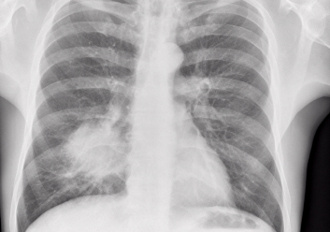
Lung cancer, for example, is the deadliest cancer in terms of the sheer number of people it kills every year. The odds a person will die of lung cancer are 1 in 16.75—as likely as an adult Major League Baseball fan rooting for the Chicago Cubs (1 in 16.77). Once diagnosed with lung cancer, the odds a person will survive at least five years are 1 in 6.34, or about the same odds an adult has less than a high school diploma (1 in 6.37).While not all cancers have known causes, about 90% of lung cancer cases are linked to smoking. So, people can significantly decrease their odds of getting lung cancer by giving up cigarettes—or never smoking them in the first place.
While lung cancer survival odds are pretty bleak, pancreatic cancer has the worst prognosis. Although the odds a person will die of pancreatic cancer are 1 in 83.33, the odds a person will survive at least five years once diagnosed are only 1 in 18.9—or about the same as the odds a woman will attend an NFL game in a year (1 in 18.83). Althoughpancreatic cancer has also been linked to cigarette smoking, the risk factors are much more varied and therefore more difficult to modify.
Breast cancer (for women) and prostate cancer (for men) are a little trickier to understand. They are by far the most common kinds of cancer and are second only to lung cancer as cancer killers. The odds a female will die of breast cancer (1 in 35.21) are about equal to the odds a man will die of prostate cancer (1 in 35.71); both are about as likely as someone living in New Jersey (1 in 35.02). Despite their rank as the number two cause of cancer deaths, they are also the most survivable cancers. The odds a woman diagnosed with breast cancer will survive at least 10 years are 1 in 1.2 (83%)—the same as the odds a woman owns a pair of jeans (1 in 1.22—82%). The odds a man diagnosed with prostate cancer will survive at least 10 years are 1 in 1.05 (95%)—as likely as the probability an adolescent aged 14-17 is enrolled in school (1 in 1.04—96%).
Screening tests, like mammograms for breast cancer and rectal exams for prostate cancer, help detect these cancers early, meaning they can be treated and potentially cured before they spread. Colonoscopies for colorectal cancer and Pap smears for cervical cancer are also examples of recommended screening methods. While targeted screening tests like these have saved lives over the years, total body scanning is another story.
Perhaps playing into a universal carcinophobia, some imaging companies have marketed full-body computed tomography (FBCT) scanning directly to consumers. However, studies have shown that FBCT (which costs about $1,000 and is not generally covered by insurance) of 50-year-old, otherwise-healthy people adds only about six days to their life expectancy. Additionally, about 91% of people have at least one abnormal finding on their scans, but only 2% of those findings represent real disease. That means FBCT results in a lot of additional diagnostic tests, which are expensive, anxiety-provoking, and ultimately unnecessary.
So, while almost one-quarter of us will eventually die of the disease, the “war on cancer” is not a straightforward fight until you know exactly which enemy you’re facing.